
Essential Road-trip Checklist for an Unforgettable Adventure
- graemeblock
- May 29
- 4 min read

Embarking on a road-trip promises freedom, discovery, and memories that last a lifetime. Yet, without proper preparation, even the most exciting journey can turn stressful. Packing the right items and planning ahead ensures you stay safe, comfortable, and ready for anything the road throws your way. This essential road-trip checklist covers everything you need to make your adventure smooth and enjoyable from start to finish.

Vehicle Preparation
Your vehicle is the heart of any road-trip. Ensuring it is in top condition prevents breakdowns and keeps you safe.
Check tire pressure and tread
Properly inflated tires improve fuel efficiency and handling. Inspect the tread depth to avoid slipping on wet roads.
Top up fluids
Check engine oil, coolant, brake fluid, windshield washer fluid, and transmission fluid. Low levels can cause engine trouble.
Test lights and signals
Make sure headlights, brake lights, turn signals, and hazard lights work properly for safety and legal compliance.
Looking over belts, coolant hoses, and vacuum lines for cracks or dry rot
Pack a spare tire and tools
Carry a jack, lug wrench, and a fully inflated spare tire. Knowing how to change a tire is a valuable skill. Packing a roadside emergency kit with essentials
Keep your registration and insurance documents handy
Store these in an accessible spot in case of emergencies or traffic stops.
Don't Forget Your Emergency Kit
Even with a thorough inspection, unexpected problems can still happen on the road.
Here are a few things we always recommend bringing along:
Extra fluids such as engine oil and coolant
A jump box or jumper cables
Basic hand tools
Tire repair kit
Flashlight
Cleaning/detailing supplies
Being prepared can make all the difference when you're far from home.
Navigation and Communication
Getting lost or losing contact can quickly turn a fun trip into a frustrating experience.
GPS device or smartphone with offline maps
Download maps for areas with poor reception. Apps like Google Maps or Waze help with real-time traffic updates.
Paper maps as backup
Technology can fail. A detailed road atlas or printed directions provide a reliable fallback.
Car charger and power bank
Keep your devices charged to maintain navigation and communication.
Emergency contact list
Have phone numbers of family, roadside assistance, and local emergency services saved and written down.
Safety and Emergency Supplies
Unexpected situations require quick action. Being prepared can make all the difference.
First aid kit
Include bandages, antiseptic wipes, pain relievers, allergy medication, and any personal prescriptions.
Flashlight with extra batteries
Useful for nighttime emergencies or when inspecting the vehicle.
Emergency roadside kit
Items like reflective triangles, jumper cables, tow rope, and a multi-tool are essential.
Blanket and warm clothing
Weather can change suddenly. Staying warm is crucial if you get stranded.
Water and non-perishable snacks
Keep at least one gallon of water per person per day and snacks like nuts, granola bars, or dried fruit.
Comfort and Convenience
Long hours on the road require comfort to keep spirits high and fatigue low.
Comfortable clothing and shoes
Dress in layers to adjust to temperature changes. Avoid restrictive footwear.
Travel pillows and blankets
Help passengers rest during long stretches.
Sunglasses and sunscreen
Protect your eyes and skin from sun exposure.
Reusable water bottles
Stay hydrated without creating waste.
Rubbish bags
Keep the vehicle clean and organized.
Entertainment and Documentation
Keeping entertained and capturing memories adds to the joy of the journey.
Music playlists and podcasts
Prepare a variety of audio options to suit different moods.
Books, games, or travel journals
Great for breaks or downtime.
Camera or smartphone with extra memory cards
Document scenic views and special moments.
Food and Meal Planning
Eating well on the road keeps energy levels steady and moods positive.
Cooler with ice packs
Store perishable items like sandwiches, fruits, and drinks.
Reusable utensils, plates, and napkins
Reduce waste and make meals easier.
Plan stops at local Cafe's or markets
Experience regional flavors and support local businesses.
Bring a portable stove or grill if camping
Cooking your own meals adds flexibility and fun.
Accommodation and Clothing
Where you rest affects how refreshed you feel for the next day’s drive.
Reservations or camping permits
Book ahead during peak seasons to avoid last-minute stress.
Tent, sleeping bags, and camping gear
If camping, ensure your equipment suits the climate.
Extra socks, underwear, and weather-appropriate outerwear
Prepare for rain, cold, or heat depending on your route.
Comfortable shoes for walking and exploring
Many roadtrip stops include hikes or city tours.
Money and Documentation
Handling money and paperwork efficiently keeps your trip hassle-free.
Cash and cards
Some remote areas may not accept cards, so carry a reasonable amount of cash.
ID, driver’s license, and any necessary permits
Keep these accessible.
Travel insurance information (If applicable)
Useful in case of accidents or cancellations.
List of accommodations and important addresses
Have printed copies in case your phone dies.
Planning Your Route and Stops
A well-planned route balances driving time with opportunities to explore.
Identify rest stops every 2-3 hours
Stretching legs reduces fatigue and improves focus.
Research scenic routes and attractions
Adds enjoyment beyond just reaching the destination.
Check weather forecasts along the way
Adjust plans if severe weather is expected.
Allow flexibility
Sometimes the best experiences come from unplanned detours.
Packing Tips for Efficiency
Packing smart saves space and reduces stress.
Use packing cubes or bags
Organize clothes and gear by category.
Pack light but include essentials
Avoid overpacking to keep the car comfortable.
Keep frequently used items within reach
Snacks, maps, and chargers should be easy to grab.
Secure loose items
Prevent shifting during driving which can cause distractions.
Final Checks Before Departure
Before hitting the road, take a moment to review everything.
Confirm all vehicle checks are done
Tires, fluids, lights, and emergency supplies.
Ensure all passengers know the plan and safety rules
Seat belts, breaks, and behavior during the trip.
Double-check reservations and route plans
Avoid surprises on arrival.
Charge all devices fully
Phones, GPS, cameras, and power banks.
Lock all doors and windows
Secure your home and vehicle before leaving.
Need Parts Before You Go?
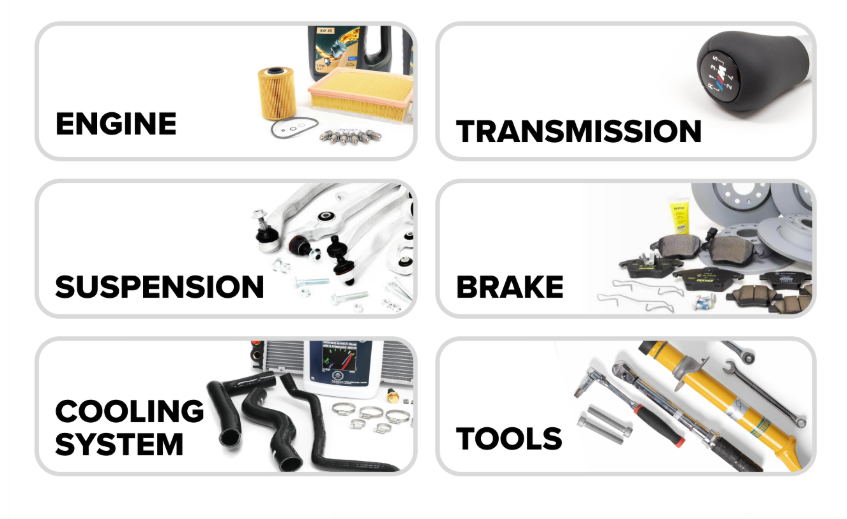
From brake kits and fluids to belts, hoses, filters, and emergency essentials, we’ve got everything you need to get road trip ready.
Shop Quality Parts for Your European Car


Comments